WEBSITE DEVELOPMENT
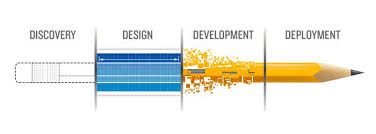

Web development is a broad term for the work involved in developing a web site for the Internet (World Wide Web) or an intranet (a private network). Web development can range from developing the simplest static single page of plain text to the most complex web-based internet applications, electronic businesses, and social network services. A more comprehensive list of tasks to which web development commonly refers, may include web design, web content development, client liaison, client-side/server-side scripting, web server and network security configuration, and e-commerce development. Among web professionals, "web development" usually refers to the main non-design aspects of building web sites: writing markup and coding. Most recently Web development has come to mean the creation of content management systems or CMS. These CMS can be made from scratch, proprietary or open source. In broad terms the CMS acts as middleware between the database and the user through the browser. A principle benefit of a CMS is that it allows non-technical people to make changes to their Web site without having technical knowledge.
For larger organizations and businesses, web development teams can consist of hundreds of people (web developers) and follow standard methods like Agile methodologies while developing websites. Smaller organizations may only require a single permanent or contracting developer, or secondary assignment to related job positions such as a graphic designer and/or information systems technician. Web development may be a collaborative effort between departments rather than the domain of a designated department.Web design encompasses many different skills and disciplines in the production and maintenance of websites. The different areas of web design include web graphic design; interface design; authoring, including standardised code and proprietary software; user experience design; and search engine optimization. Often many individuals will work in teams covering different aspects of the design process, although some designers will cover them all.[1] The term web design is normally used to describe the design process relating to the front-end (client side) design of a website including writing mark up. Web design partially overlaps web web engineering in the broader scope of web development. Web designers are expected to have an awareness of usability and if their role involves creating mark up then they are also expected to be up to date with web accessibility guidelines.
Web designers use a variety of different tools depending on what part of the production process they are involved in. These tools are updated over time by newer standards and software but the principles behind them remain the same. Web graphic designers use vector and raster graphics packages to create web-formatted imagery or design prototypes. Technologies used to create websites include standardised mark-up, which can be hand-coded or generated by WYSIWYG editing software. There is also proprietary software based on plug-ins that bypasses the client’s browser versions. These are often WYSIWYG but with the option of using the software’s scripting language. Search engine optimisation tools may be used to check search engine ranking and suggest improvements.
Other tools web designers might use include mark up validators and other testing tools for usability and accessibility to ensure their web sites meet web accessibility guidelines
There are two primary jobs involved in creating a website: the web designer and web developer, who often work closely together on a website.The web designers are responsible for the visual aspect, which includes the layout, coloring and typography of a web page. Web designers will also have a working knowledge of using a variety of languages such as HTML, CSS, JavaScript, PHP and Flash to create a site, although the extent of their knowledge will differ from one web designer to another. Particularly in smaller organizations one person will need the necessary skills for designing and programming the full web page, while larger organizations may have a web designer responsible for the visual aspect alone.
Further jobs which may become involved in the creation of a website include:
- Graphic designers to create visuals for the site such as logos, layouts and buttons
- Internet marketing specialists to help maintain web presence through strategic solutions on targeting viewers to the site, by using marketing and promotional techniques on the internet
- SEO writers to research and recommend the correct words to be incorporated into a particular website and make the website more accessible and found on numerous search engines
- Internet copywriter to create the written content of the page to appeal to the targeted viewers of the site[1]
- User experience (UX) designer incorporates aspects of user focused design considerations which include information architecture, user centered design, user testing, interaction design, and occasionally visual design
